Don't be a victim of a healthcare scam
If it sounds too good to be true, it probably is!
Healthcare scams have been around for a long time. Some products or services claim to prevent, treat, or cure diseases, even though they may not have been proven and they may not be safe. healthcare scams prey on people's desires for easy solutions to fix health problems—from losing weight to curing serious diseases like cancer. A health product cannot be promoted to cure, treat or prevent a disease unless there are proper scientific studies to show that it does.
Some healthcare scams do more than waste your money. They can cause serious injury or even death. Using unproven tests, for example, can delay getting a potentially life-saving diagnosis. Using unproven treatments can also stop people from getting a medicine that actually works. Fraudulent products sometimes contain hidden ingredients, including prescription drugs and banned substances like steroids, even if they claim to be ‘natural'.
Below are steps to take if you are a victim of a healthcare scam and tips on how to avoid being scammed:
WHAT TO DO IF YOU ARE A VICTIM OF A SCAM
Get help

- If you've been a victim of healthcare fraud, contact the
LA County Department of Consumer and Business Affairs. They will help you to file a complaint and, if appropriate, try to get your money back. Call (800) 593-8222.
Some examples of healthcare fraud include:- You get a bill for services you didn't receive
- You were sold a health product that didn't do what it said it would
- You were sold insurance that doesn't cover the services promised
- Someone is using your identity and information to get healthcare services
- More information about medical identity theft is available from the Federal Trade Commission.
- For tips on how to prevent Medicare fraud and how to report suspected fraud, call (800) 447-8477 or visit the Medicare fraud webpage.
HOW TO IDENTIFY HEALTHCARE SCAMS
- Learn how to spot a healthcare scam - look for
these red flags:

- One product does it all: Be suspicious of products that claim to cure a wide range of diseases. For example, if a dietary supplement claims to treat dementia, kidney disease, gangrene, depression, osteoarthritis, and cancer, it is probably a scam.
- Ads include personal testimonials: Success stories, such as, "It cured my diabetes" or "My tumors are gone," are easy to make up and are not a substitute for scientific evidence.
- Quick fixes: Beware of phrases like, "Lose 30 pounds in 30 days" or "eliminates skin cancer in days."
- "Miracle cure": Be skeptical if you see this claim or others like it such as, "new discovery," "scientific breakthrough" or "secret ingredient." If a real cure for a serious disease were discovered, it would be in the news and used by doctors - not buried in print ads, on TV commercials, emails or websites.
- Conspiracy theories: Claims like "They don't want you to know about this miracle cure," are used to distract consumers from asking common-sense questions about the so-called miracle cure.
- One product does it all: Be suspicious of products that claim to cure a wide range of diseases. For example, if a dietary supplement claims to treat dementia, kidney disease, gangrene, depression, osteoarthritis, and cancer, it is probably a scam.
- Learn how to spot medical identity theft
Healthcare scams can also involve health and financial information, such as theft of MediCal, Medicare and social security numbers. You may be a victim of healthcare fraud if:
-
You get a bill for services you didn't receive: Debt collectors could come after you for the scammer's unpaid medical debts. Your credit could suffer if medical bills are not paid.

- Someone is using your identity and information to get healthcare services: If someone uses your name to obtain medical services, their medical information may end up in your file. If they take different medicines
or have different allergies or conditions it could lead to you receiving the wrong care
- Your name is used fraudulently to get payments from health insurance companies and government programs such as Medicare: Scammers may obtain prescription medications using your information and then sell them on the black market. They may submit false claims for medical treatment, exams, or even surgeries.
- You go to fill a prescription and find that you have already reached your allowance for that month because someone else has used your health information.
- Get help. If you have been a victim of medical identity theft,
you can get help here.
-
- Take steps to find out if you have been a victim of health care fraud
-
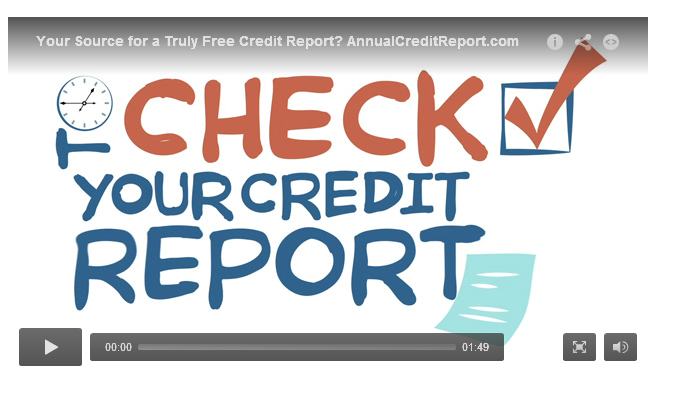
Check your credit report. You're entitled to a free report from three companies every 12 months. Order online from annualcreditreport.com, the only authorized website for free credit reports, or call 1-877-322-8228. You can learn more about credit reports from the Federal Trade Commission webpage and video.
- Check with your insurance company. Contact your health insurance company at least once a year for a list of the benefits they paid in your name.
- Understand the "Explanation of Benefits" (EOB) statement that your health insurer sends to you after they have received a claim to pay for a health care service. Your EOB gives you information about how an
insurance claim from a health provider (such as a doctor or hospital) was paid on your behalf. When you receive it, review it right away. If you find something incorrect on your explanation of benefits statement, call the patient customer service number right away. Here are some
tips for understanding your EOB.
-
Know where to get reliable products and services
- Medicines: Counterfeit drugs may be packaged to look like medicines. They may be sold on websites, and by local grocery stores, botanicas, swap meets, and even street vendors. Only obtain prescription medications from a licensed pharmacist.
- Dietary supplements, vitamins and alternative medicines: Talk to your doctor first. Here are some tips.
- Get information about medical discount plans before you buy: Learn the difference between insurance and discount plans. With a medical discount plan, you generally pay a monthly fee to get discounts on specific services or products from a list of participating providers. Medical discount plans don’t pay your health care costs.
- Health Insurance: Learn about health insurance options at www.coveredca.com. Los Angeles County residents who are not insured can obtain information about coverage options and free and low cost health care programs at the Department of Health Services website.
 You can also call 2-1-1 or visit the 211 webpage for help finding insurance and health services. 2-1-1 is free and the operators speak 9 languages.
-
RESOURCES
Explanation of your healthcare rights and how to use your healthcare benefits
- California Department of Managed healthcare can help you to resolve problems you may have with your health plan. (888) 466-2219 California Department of Managed Health Care
Information about health fraud, drugs, medical devices, dietary supplements, infant formula, food, and cosmetics.
- Contact the U.S. Food and Drug Administration (FDA) to report problems with the quality of these products. (888) 463-6332 U.S. Food and Drug Administration (FDA)
Information on healthcare scams, fraud, and identity theft, as well as money, housing, and privacy concern.
- Contact the U.S. Federal Trade Commission (FTC) to report misleading or fraudulent advertising and promotion. (877) FTC-HELP (1-877-382-4357) U.S. Federal Trade Commission (FTC)
To file a complaint against a licensed medical doctor or physician
- For an M.D., contact the California Medical Board California Medical Board
- For a D.O. (osteopathic physician and surgeon), contact the Osteopathic Medical Board of California Osteopathic Medical Board of California
To file a complaint against another licensed healthcare professional
- Complaint against dental hygienist, acupuncturist, or an optometrist, etc., contact the California Department of Consumer Affairs California Department of Consumer Affairs
To report counterfeit medicines in Los Angeles
- Contact Crime Stoppers about counterfeit medicines online, smart phone app or phone. You don't have to give your name. (888) 463-6332
More information about medical identity theft
For tips on how to prevent Medicare fraud
- Call (800) 447-8477 or or visit the Medicare fraud webpage.
You were sold insurance that doesn't cover the services promised
- Learn more at the FTC Health Insurance Scams webpage.
Understand the "Explanation of Benefits"
Check your credit report
- annualcreditreport.com or (877) 322-8228
- Learn more about it from the Federal Trade Commission webpage and video.
Get information about medical discount plans before you buy
- Learn the difference between insurance and discount plans
Learn about health insurance options
- Covered California website
- Los Angeles County residents who are not insured can obtain information about coverage options and free and low cost healthcare programs at the Department of Health Services website.
Remember, if it sounds too good to be true, it probably is!