Overview
Hexavalent chromium, also known as chromium 6, is a metal used in certain industrial processes, such as metal plating, leather tanning, and welding. While exposure to chromium 6 generally does not lead to immediate health symptoms, breathing chromium 6 at high levels over many years can cause or worsen breathing problems such as asthma, and cause irritation to the nose, throat, and lungs. Chromium 6 is also a known human carcinogen, and exposure to high levels over many years may increase the risk of lung and nasal cancers.
For more information on chromium 6, please visit:
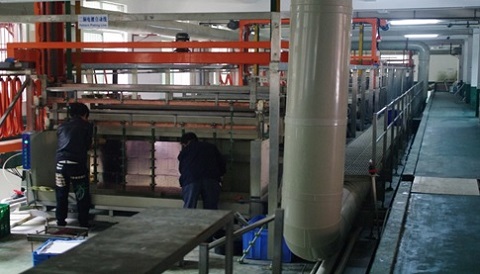
Picture of a Chromium plating facility.
The Los Angeles County Department of Public Health is currently working with the South Coast Air Quality Management District (SCAQMD) and other organizations on strategies to reduce exposures to chromium 6 in Los Angeles County. A current area of priority includes the City of Paramount. To learn more about the current status of City of Paramount investigation please visit link here. A prior area of concern included West Rancho Dominguez, however, SCAQMD's investigation has been completed, and chromium 6 levels have significantly declined, no longer posing a health risk.
Local Monitoring
Under AB 617, the SCAQMD conducts community air monitoring to improve air quality and public health in environmental justice communities. Data collected from air monitoring can provide valuable information about sources of air pollution, types of pollutants, and air quality impacts in AB 617 communities. Additional information on AB 617 community air monitoring and communities of focus can be found on their website.
California Airborne Toxic Control Measure (ATCM)
In addition to local efforts to reduce emissions and exposure to chromium 6, the California Air Resources Board (ARB) has implemented an Airborne Toxic Control Measure (ATCM) to address statewide chromium 6 emissions from chrome plating and chromic acid anodizing operations since 1988. The ARB is currently evaluating options to further reduce chromium 6 emissions. Learn more about the ARB's ATCM.